The membership means that Denmark has a seat at the table at the programme’s biannual Executive Committee meetings, which set the framework for the programme’s overall work.
The core task of the programme is to provide analyses of and reports on carbon capture, utiliziation, and storage, and the members decide which topics to cover.
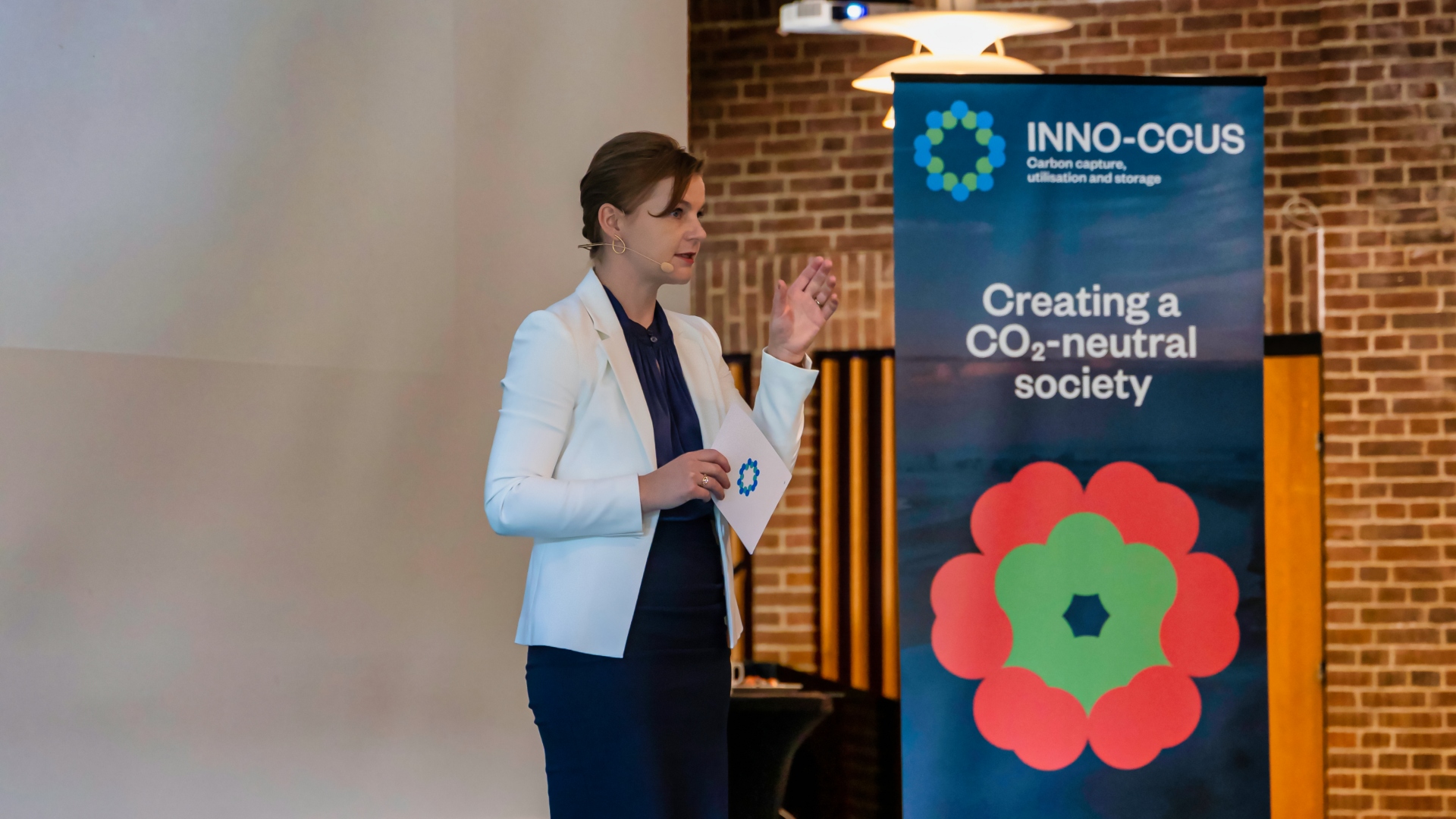
Karina Marie Søgaard from DTU Chemistry will therefore, on behalf of Denmark, be involved in deciding which reports and analyses relating to carbon capture, storage, and utilization should be initiated.
“We need both carbon utilization and storage to improve the climate, which makes it extremely important to establish an informed basis for our actions by becoming a member of a technology collaboration programme like this one,” says Karina Marie Søgaard about the membership.
The technology collaboration programme, also known as IEAGHG, is headquartered in the UK but operates globally and has members from all over the world, consisting of countries and global organizations. Karina Marie Søgaard has been appointed to the post by the Danish Ministry of Climate, Energy, and Utilities.
A mission-driven partnership
Karina Marie Søgaard is director of the research partnership INNO-CCUS, which DTU takes part in. The partnership’s secretariat is located at DTU Chemistry.
INNO-CCUS was established to accelerate solutions within carbon capture, utilization, and storage and receives funding from Innovation Fund Denmark, the purpose of which is to support projects within this research area.
The research partnership INNO-CCUS is one of Denmark’s four green mission-driven partnerships, initiated on the basis of the green research strategy from September 2020.