Consumer choices can reduce the carbon footprint of our diet
While farmers and food producers are working to make food more climate-friendly, most Danes can significantly reduce the carbon footprint of their diet by adding other types of food to their shopping basket and throwing out less of the food they buy.
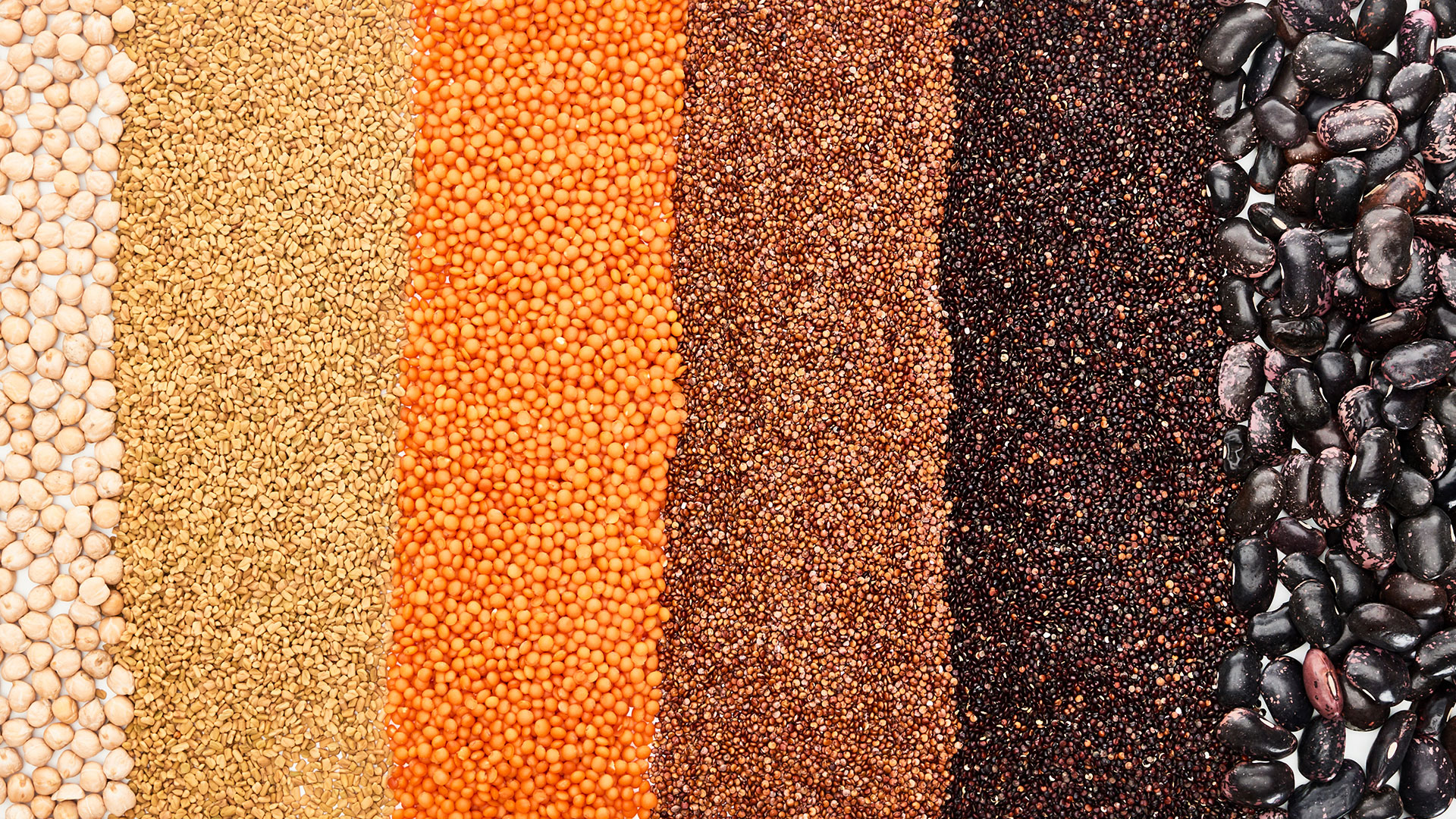
By replacing some of the meat in the average diet with e.g. legumes, Danes can make their diets more climate-friendly. Photo: Colourbox
Thursday 19 September 2024
Miriam Meister
Consumer choices have a big impact on the climate impact of your diet. For example, by following Denmark's official dietary guidelines, which recommend a healthy diet that is rich in plants and contains the right nutrients, the average Dane can reduce their carbon footprint by around a third according to calculations from DTU and Aarhus University.
Most Danes need to reduce their meat consumption to follow the dietary guidelines, for which DTU has provided the scientific basis. There is still room for meat in your diet, but only around 350 grams of meat per week, while purchasing data from 2020 show an average weekly meat purchase of more than one kilo per person.
Facts
The Official Dietary Guidelines - good for health and climate
In recent years, the range of processed plant-based products such as chicken-free nuggets and pork-free sausages has grown considerably. Sales of meat alternatives have tripled from 2015 to 2021. However, they still equate to each inhabitant buying just two packs during 2021.
While meat alternatives can help consumers who struggle with the transition, Senior Researcher Ellen Trolle from DTU urges people to be mindful of what they are sinking their teeth into—nutritionally speaking:
“Many of the products are highly processed and it can be difficult to understand their nutritional content. So, my advice would be to use them to a limited extent and then get familiar with legumes so you can make your own tasty, nutritious, plant-based meals,” she says.
Less food waste for the sake of the climate
The climate also benefits from reducing food waste, which totals 247,000 tonnes annually in Danish homes. If more of the food you buy ends up in your stomach instead of the rubbish bin, you need to buy less and produce less, which reduces the food sector's carbon footprint.
The Danish Veterinary and Food Administration's advice to reduce food waste includes planning your shopping so you only buy what you need; storing food so it stays fresh for as long as possible; and understanding the date labelling so you don't throw away food that is perfectly safe to eat.
Topic
Sustainable food
26 pct. of the world's total CO2 emissions come from food production. Livestock in particular account for a large share.
To reduce the climate impact of food production, we need a green transition. This can be achieved through the use of technology, digitalization and the development of new foods.