The marine engineers of the future will also come from Frederikshavn
When the summer holidays are over, the first DTU students will begin the new marine engineering programme in Frederikshavn. And there is a very special reason for this.
The first DTU students will not begin their studies in Frederikshavn until after the summer holidays, but the current students at MARTEC are already ready to welcome them. Photo: MARTEC.
Friday 27 June 2025
Linnea Lundberg
Frederikshavn is known for its shipyards and maritime industry. This is where great ships have been built and repaired over the years, and they still are.
This is why DTU has entered a collaboration with the maritime educational institution MARTEC, which means that from August 2025, DTU will offer the Bachelor of Engineering (BEng) in Naval Architecture and Maritime Engineering in Frederikshavn, among other places – very close to the industry that the students will enter when they graduate as marine engineers.
The programme combines skills from mechanical engineering with specialized maritime knowledge. In other words, students are equipped to develop the ships and maritime structures of the future (e.g. offshore wind turbines).
The Naval Architecture and Maritime Engineering programme is also available at DTU's campuses in Lyngby and Ballerup, and regardless of whether one chooses to study in Jutland or on Zealand, there will ample opportunity to meet fellow students both on joint study trips and through academic and social activities.
Looking forward to meeting new students
The first DTU students will not start in Frederikshavn until after the summer holidays, but the current students at MARTEC are already ready to welcome them.
"There are 400 students on campus when we all turn up, so there's a lot of activity. Every Friday is also french fries and dip day in the canteen and it's packed. In fact, the staff once told me that a couple of tonnes of fries are eaten yearly because of this tradition," says Christopher Andersen, who is in his second semester of MARTEC's current marine engineering programme, which will be replaced by Naval Architecture and Maritime Engineering after the summer holidays.
He continues:
"We also have good outdoor areas, which are used a lot for both ball games and socialising when classes are over for the day. And it's great that there are so many different types of students. Anyone from 19-year-olds who have just finished high school to 40-50-year-olds who want to further their education. It makes for a really good study environment where you learn a lot from each other."
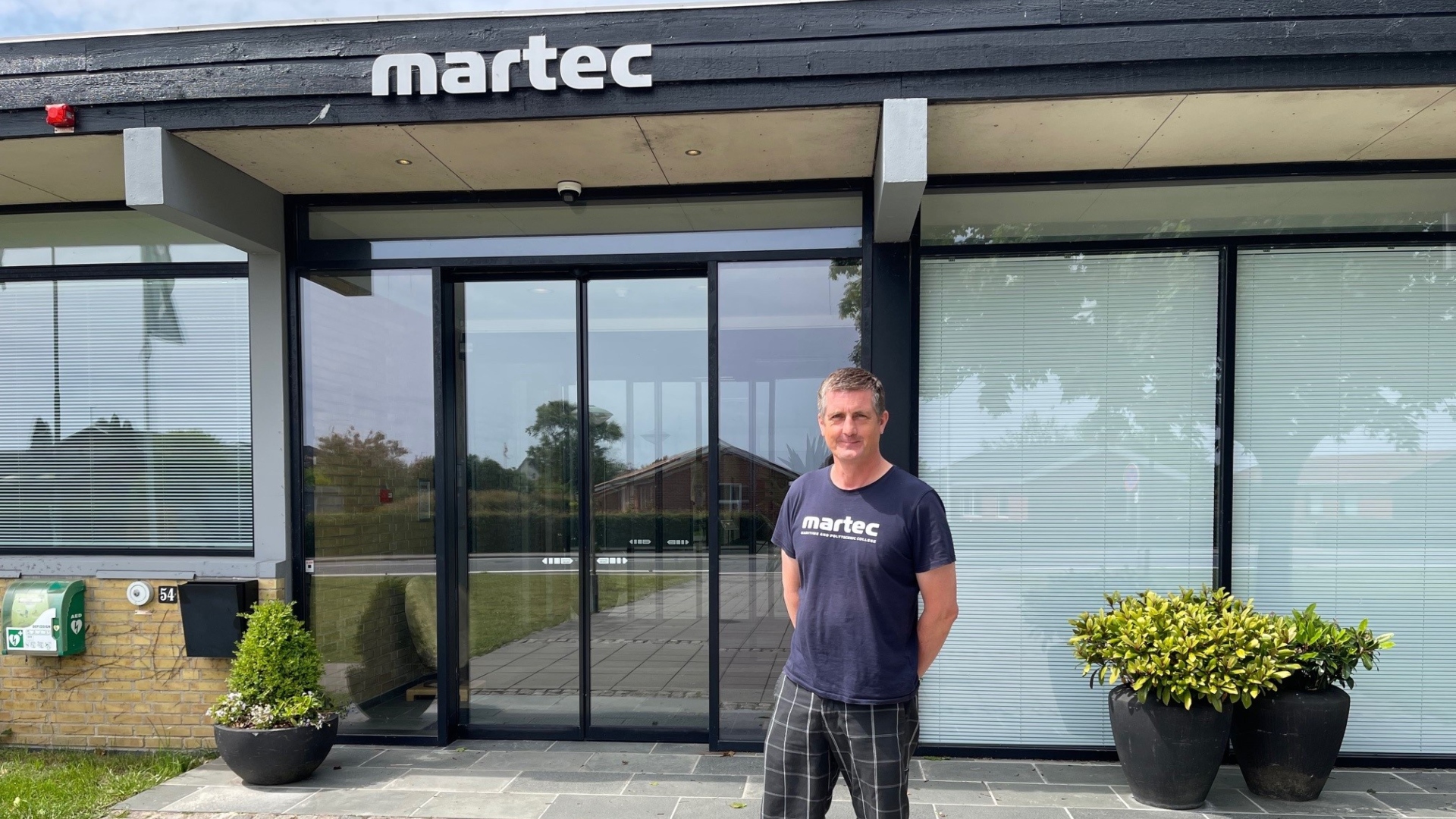
Associate Professor and Head of Education at MARTEC's marine engineering programme Rasmus Mandrup Jeppesen hopes that the new students will benefit from the close collaboration with companies in the area. Photo: MARTEC.
The industry is ready
Rasmus Mandrup Jeppesen, Associate Professor and Head of Education at MARTEC's marine engineering programme, is looking forward to welcoming the future students from DTU. He is co-responsible for carrying out the teaching that DTU students will receive in Frederikshavn.
"Many of our students work as student assistants in large, established maritime companies, in fact, I think it's more the rule than the exception that you have a student job"
Rasmus Mandrup Jeppesen
Associate Professor and Head of Education at MARTEC's marine engineering programme
The development of the programme's curriculum and the academic responsibility for the programme lies with Associate Professor and Head of Studies Ulrik Dam Nielsen from DTU Construct, who is also responsible for several of the courses included in the programme.
Rasmus Mandrup Jeppesen hopes that the new students, just like the current ones, will benefit from the close collaboration with companies in the area.
"Many of our students work as student assistants in large, established maritime companies, in fact, I think it's more the rule than the exception that you have a student job. The companies are very open to the students, and conversely, the students want to try out theory in practice, so it's what you might call a win-win situation," he explains.
He continues.
"There are also good opportunities to create a social network right from the start of your studies, because a large proportion of the students live in Aalborg, which means that many choose carpooling instead of public transport for commuting."
Students enrolled in Naval Architecture and Maritime Engineering take an engineering internship in a company in their fifth semester, so that everyone gets job experience as a marine engineer whether or not they have a student job during their studies.
"The students often tell me that they gain a lot from meeting with both large and small maritime companies. And it's a pleasure to help expand their professional network through e.g. company visits," says Rasmus Mandrup Jeppesen.
Collaboration with industry create new solutions
It is not only in Frederikshavn that they are looking forward to the start of new study programme. DTU's Dean of Studies and Student Affairs, Lars D. Christoffersen, is also excited.
"One of our main goals at DTU is to connect students with industry, because collaborating with companies is one of the best ways for students to create new solutions and technology that will benefit society and encourage more sustainable development," says Lars D. Christoffersen.
Are you planning to apply for a programme by the 5th of July, and are you interested in the BEng in Naval Architecture and Maritime Engineering? You can find more information in the fact box and via this link.
Facts
Learn more about the BEng in Naval Architecture and Maritime Engineering
The BEng in Naval Architecture and Maritime Engineering teaches students to design and build sustainable ships and maritime constructions of the future.
You can study the programme at DTU in Lyngby and Ballerup or in Frederikshavn.
The BEng in Naval Architecture and Maritime Engineering programme takes three and a half years to complete.
In short, a large ship is made up of many smaller parts and components. So, the programme combines mechanical engineering skills with special knowledge of the maritime world, especially ship engineering.
This means that students acquire broad mechanical engineering skills while also becoming experts in the special conditions that make working with ships and floating structures exciting and challenging.
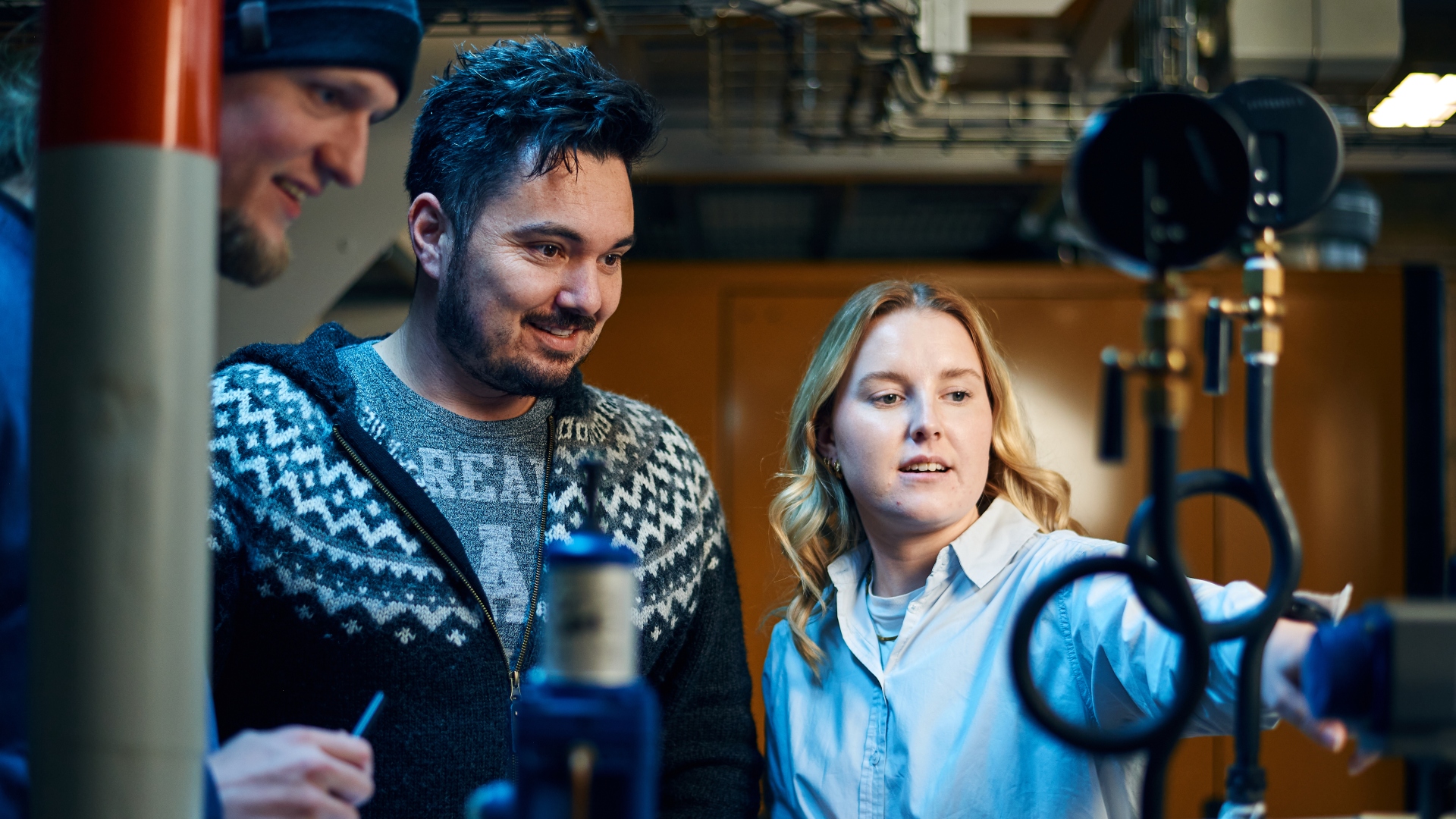
Naval Architecture and Maritime Engineering combines skills from mechanical engineering with specialised maritime knowledge. Photo: MARTEC.
If you choose to study Naval Architecture and Maritime Engineering, you get an engineering internship in your fifth semester in a company. Photo: MARTEC.
The Naval Architecture and Maritime Engineering programme is also available at DTU's campuses in Lyngby and Ballerup. Photo: MARTEC.